> For the complete documentation index, see [llms.txt](https://trillo.gitbook.io/developing-ui-using-trillo-workbench/llms.txt). Markdown versions of documentation pages are available by appending `.md` to page URLs; this page is available as [Markdown](https://trillo.gitbook.io/developing-ui-using-trillo-workbench/developing-ui-using-trillo-workbench/angular/app-functionalities/logout-icon.md).
# Logout Icon
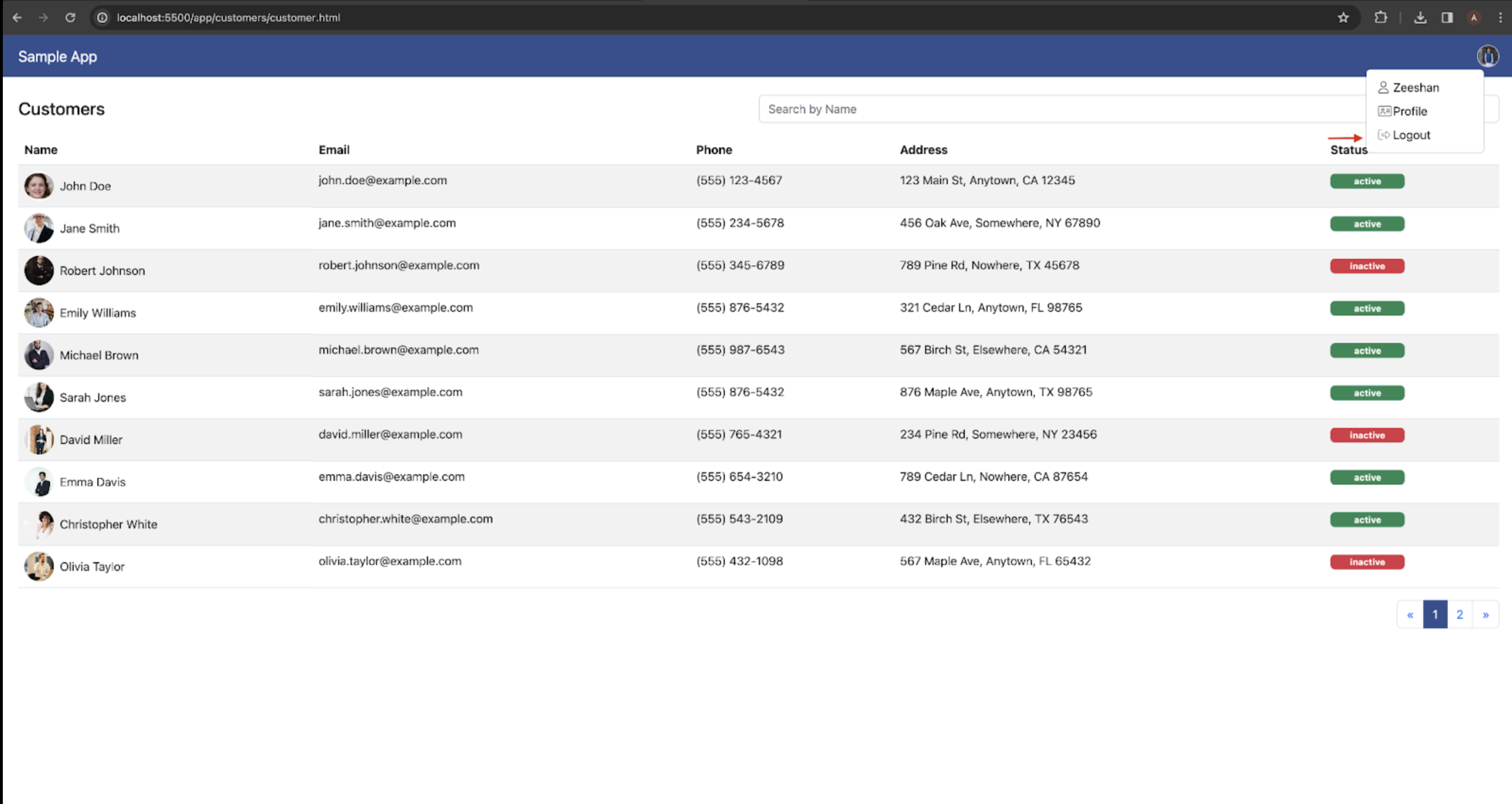
* This icon will navigate us to the login page.
Logout Icon
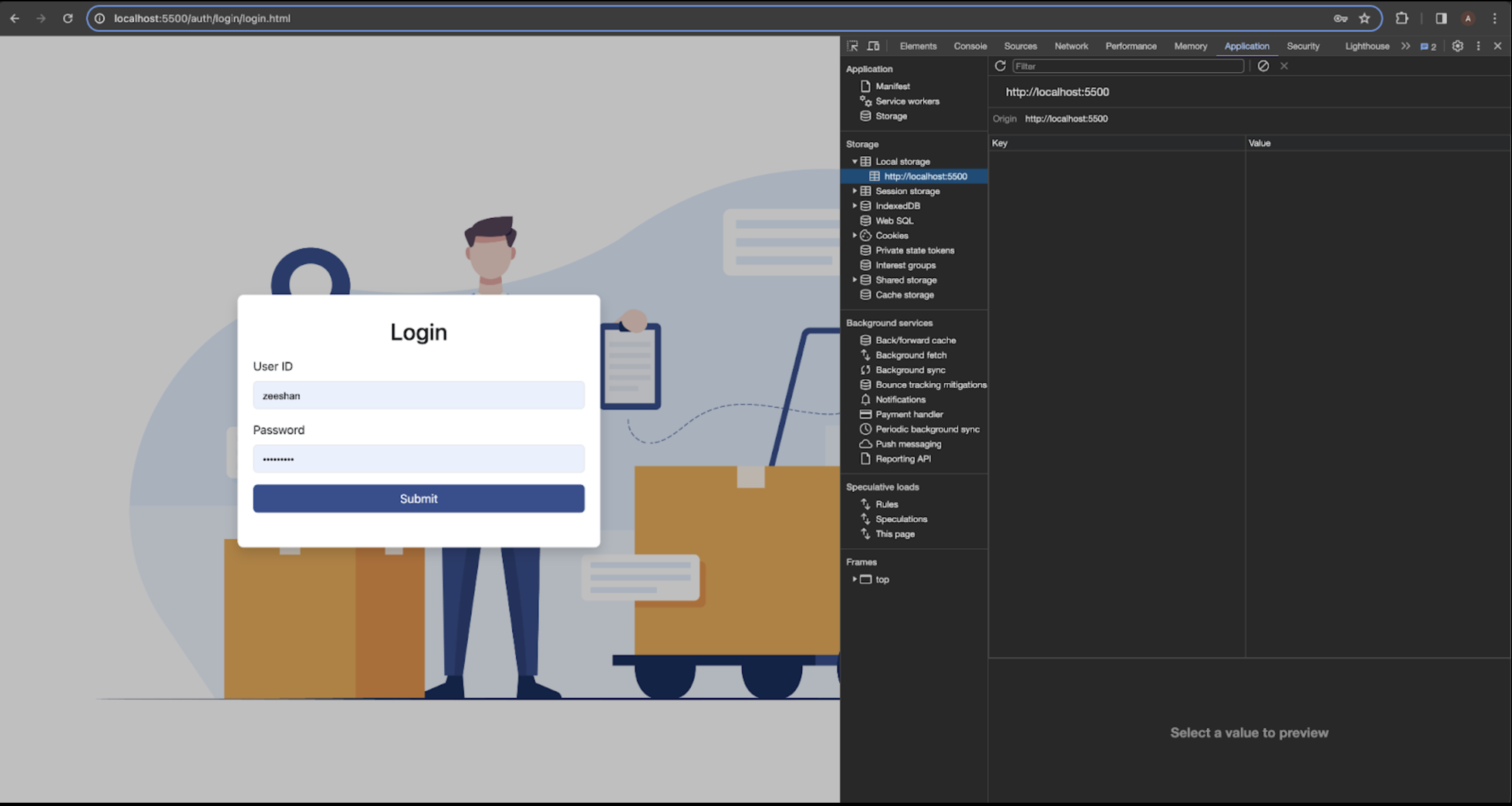
Upon selecting the logout option, the system redirects users to the login page and clears the local storage as a security measure.
Login Page
#### Logout Code Snippet
```
logout(){
localStorage.clear();
this.router.navigateByUrl('/auth/login')
}
```
#### Code Description
The logout function, when invoked by a user, is responsible for terminating the user's session. The two main actions performed by this function are:
**Clearing Local Storage**
* The line localStorage.clear(); ensures that any data stored in the web browser's localStorage, which could include information related to the user's session or authentication such as tokens or user preferences, is removed.
**Navigating to the Login Page**
* The subsequent line this.router.navigateByUrl('/auth/login'); utilizes a router service to direct the user to the '/auth/login' route. This navigation effectively redirects the user to the login page, facilitating a seamless transition after the logout process.